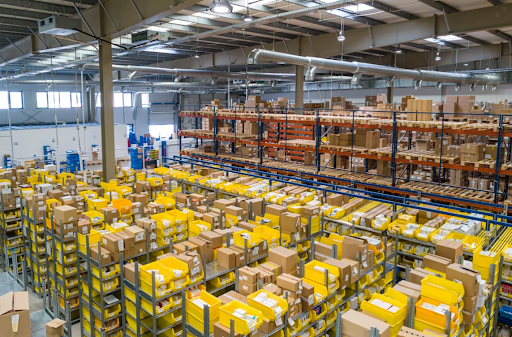

A warehouse safety checklist is a structured inspection framework that identifies hazards, verifies compliance, and ensures safe operating conditions across people, equipment, storage systems, and workflows. Regular inspections reduce the risk of accidents while supporting operational continuity and regulatory compliance.
According to OSHA, the agency conducted 30,273 workplace inspections in FY 2025, highlighting the continued focus on preventing safety violations across high-risk industries such as warehousing.
This blog covers the essential warehouse safety audit checklist, common hazards, daily, weekly, and monthly inspections, OSHA warehouse safety requirements, safety best practices, key KPIs, and ways to improve warehouse safety using operational data.
Why Warehouse Safety Matters
Protecting employees from workplace injuries
Common examples of warehouse injuries include forklifts crossing pedestrian routes, workers entering unsecured trailers, damaged pallets being stored, or temporary inventory blocking emergency access.
These risks increase as layouts and workloads change throughout the day. For example, about 84 workers in the U.S. died in forklift-related incidents during 2024, and the Powered Industrial Truck Standard was the eighth most cited OSHA standard in FY2025.
Reducing operational downtime
A safety incident rarely affects only one employee or one asset. A damaged rack, faulty dock leveler, or electrical failure stops receiving, picking, or shipping operations while the area is isolated and investigated.
Every inspection for downtime should determine whether work can continue safely, whether the area must be isolated, who owns the corrective action, and when it should be verified. Synkrato’s digital twin helps identify operational bottlenecks before they escalate into safety-related downtime.
Preventing inventory and equipment damage
Warehouse safety also protects inventory, storage infrastructure, and material handling equipment. A forklift impact may weaken a rack without causing immediate collapse, while a damaged pallet can fail only during lifting.
Therefore, inspections should follow the complete inventory flow, from receiving and staging to storage, retrieval, and quarantine.
Building a proactive safety culture
Monitor leading indicators such as near misses, rack impacts, blocked aisles, equipment defects, and overdue corrective actions to identify risks early.
Reviewing these trends regularly helps eliminate recurring warehouse hazards, improve accountability, and make safety part of everyday warehouse operations instead of periodic inspections.
Common Warehouse Safety Hazards
Slips, trips, and falls
Slips and trips often occur where warehouse conditions change throughout the day, such as receiving docks, conveyor areas, and cold storage transitions.
Inspect for:
- Water, oil, or hydraulic leaks
- Loose pallet wrap and strapping
- Uneven floors or dock plates
- Charging cables across walkways
- Debris beneath conveyors
- Transition points
Forklift and material handling accidents
Forklift safety depends on the vehicle, operator, and operating environment. OSHA requires powered industrial trucks to be inspected before use and at least once every day.
Check:
- Vehicle condition, including brakes, forks, hydraulics, tires, and warning devices
- Operator training and authorization
- Blind corners, pedestrian crossings, speed zones, and dock approaches
Improper storage and falling objects
Storage inspections should evaluate the rack, pallet, and load together. A damaged rack or pallet may not fail immediately, but can become dangerous during lifting or repeated use.
Inspect for:
- Bent uprights and missing beam locks
- Damaged pallets and unstable loads
- Load overhang
- Damaged decking
- Blocked sprinkler clearance
Manual handling and ergonomic injuries
Most ergonomic injuries develop gradually because of repetitive movements and poor workstation design rather than a single lift. Statistically, about 41% of employees at a logistics facility reported work-related pain.
Focus on:
- Repetitive lifting and twisting
- Overreaching or working above shoulder height
- Long carrying distances
- Prolonged standing
- Availability of lift-assist equipment
Fire and emergency hazards
Warehouse fire risks vary depending on inventory, especially where lithium batteries, flammable liquids, or combustible packaging are stored.
Verify:
- Fire extinguishers and sprinkler clearance
- Emergency exits and fire doors
- Battery charging areas
- Hazardous material storage
Electrical hazards
Electrical hazards usually develop slowly through damaged equipment or temporary repairs that become permanent.
Inspect for:
- Damaged cords and charger cables
- Open electrical panels
- Overloaded outlets
- Water near electrical equipment
- Frequently tripped breakers
Hazardous materials and chemical exposure
Chemical inspections should confirm that labels, safety data sheets (SDS), storage conditions, and employee procedures remain aligned.
Check:
- Chemical labels and SDS availability
- Segregation of incompatible chemicals
- Spill kits and emergency eyewash stations
- Ventilation and container condition
- Labeled secondary containers
Loading dock risks
Loading docks combine vehicle movement, elevated platforms, and pedestrian activity, making them one of the highest-risk areas in a warehouse. Synkrato’s simulation & optimization helps optimize dock workflows before implementation.
Inspect:
- Trailer restraints and dock locks
- Dock levelers and dockboards
- Trailer condition and lighting
- Driver communication procedures
- Pedestrian access routes
Complete Warehouse Safety Checklist
A warehouse safety inspection checklist should help teams identify hazards, document findings, assign corrective actions, and verify that every issue has been resolved.
General Housekeeping and Cleanliness
Good housekeeping prevents small hazards from becoming larger operational risks.
Review:
- Loose stretch wrap, pallet bands, and packaging waste
- Spill response readiness and cleanup
- Temporary staging areas that have expanded into workspaces
- Damaged pallets separated from usable inventory
Walkways, Aisles, and Floor Conditions
Walkways should remain safe throughout the shift, not just during scheduled inspections.
Verify:
- Clear pedestrian routes and emergency access
- Damaged flooring, dock plates, or slippery surfaces
- Blind corners and cross-aisle visibility
- Route markings that remain visible under operating conditions
Storage Racks and Shelving
Rack inspections should evaluate structural integrity, not just visible damage. Classify findings as Critical, Serious, or Monitor so repairs can be prioritized consistently.
Check for:
- Bent uprights, damaged beams, or missing safety locks
- Load overhang and unstable pallet placement
- Damaged decking or missing anchors
- Rack capacity labels
- Repeated forklift impact locations
Forklift and Material Handling Equipment
A forklift inspection should determine whether the equipment is safe to operate under current warehouse conditions.
Review:
- Brakes, steering, forks, mast, hydraulics, lights, and alarms
- Battery or fuel system
- Seat belt and operator restraints
Loading Dock Safety
Loading docks require continuous monitoring because vehicle movement changes throughout the day.
Verify:
- Trailer restraints or wheel chocks
- Dockboards and dock levelers
- Trailer condition and interior lighting
- Driver communication procedures
Fire Safety Equipment and Extinguishers
Fire protection should be inspected alongside changing inventory conditions.
Review:
- Sprinkler clearance
- Fire doors and alarm panels
- Battery charging and flammable storage areas
Emergency Exits and Evacuation Routes
Emergency routes should reflect the warehouse’s current operating layout. OSHA requires exit routes to remain unobstructed and adequately illuminated.
Inspect:
- Emergency lighting and exit signs
- Assembly points
- Temporary barriers affecting evacuation
- Contractor awareness of emergency procedures
Electrical Systems and Machinery
Electrical inspections should identify early warning signs before equipment fails.
Look for:
- Damaged cables or plugs
- Blocked electrical panels
- Battery charger defects
- Missing machine guards
- Overdue safety maintenance
Personal Protective Equipment (PPE)
PPE should match both the task and the identified workplace hazard.
Confirm:
- Employees are using the correct PPE
- Equipment fits properly and remains in good condition
- Visitors and contractors meet site requirements
- Hazard assessments remain current after operational changes
Safety Signs and Hazard Communication
Safety signage should help employees make quick decisions during normal operations and emergencies.
Review:
- Pedestrian and forklift traffic signs
- Chemical and restricted-area labeling
- Emergency information
- Temporary hazard signs
- Faded or obstructed signage
Lighting and Ventilation
Lighting and airflow should support safe operations across every work area.
Check:
- Rack aisles, docks, intersections, and mezzanines
- Shadowed or poorly lit locations
- Ventilation in battery charging and chemical storage areas
- Heat buildup and stagnant air
Daily Warehouse Safety Checklist
A daily inspection should follow the rhythm of the shift. It should not repeat the same walk at the same quiet time every day.
Opening facility inspection
Before operations begin:
- Review open defects from the previous shift.
- Check fire and emergency systems for visible faults.
- Review spills, leaks, water entry, or overnight maintenance.
- Confirm restricted areas remain isolated.
- Verify planned work, contractors, and unusual inventory movements.
Equipment and forklift inspections
Before equipment enters service:
- Complete the equipment-specific pre-use check.
- Link the inspection to the asset number.
- Report defects immediately.
- Confirm operators have received shift-specific information.
PPE compliance check
Verify that the PPE remains suitable for:
- The material being handled
- The equipment being used
- The chemical involved
- The exposure duration
- The employee’s fitness and mobility
Housekeeping review
Conduct housekeeping checks at operational transition points:
- After receiving peaks
- After replenishment
- Before shift changes
- After maintenance
- Before dispatch peaks
End-of-shift safety inspection
The closing review should create a reliable handover.
Record:
- Equipment removed from service
- Racks or areas under restriction
- Open spills or maintenance work
- Trailers remaining at docks
- Unfinished corrective actions
- Chemicals or damaged goods await disposal
Weekly and Monthly Warehouse Safety Checklist
The frequency should reflect the level of risk, operating intensity, manufacturer instructions, and legal requirements.
Storage Rack Inspections
Weekly inspections should identify new rack damage before it affects structural integrity, while monthly reviews should look for recurring patterns.
Review:
- New impacts compared with previous inspections
- Repeated damage by aisle or equipment type
- Load changes and rack guard performance
- Hidden damage behind slow-moving inventory
Fire Protection System Checks
Monthly fire inspections should verify that protection systems still match the warehouse’s current inventory and layout.
Check:
- Fire extinguishers, alarms, and fire doors
- Battery charging and hazardous storage areas
- Changes in inventory that affect fire risk
Preventive Equipment Maintenance
Maintenance schedules should reflect how equipment is used.
Base maintenance on:
- Operating hours or lift cycles
- Inspection findings and recurring faults
- Manufacturer recommendations
- Equipment duty level
Electrical and Lighting Inspections
Periodic inspections should identify issues that daily visual checks may miss.
Review:
- Electrical panels and temporary wiring
- Charger infrastructure
- Emergency lighting records
- Repeated electrical faults
- Ventilation around battery storage
Emergency Drill and Evacuation Readiness
Emergency drills should test how employees respond to unexpected situations.
Include scenarios such as:
- Blocked exits or power failures
- Chemical spills or battery incidents
- Contractors or visitors on site
Incident Review and Corrective Actions
Every incident, near miss, and safety observation should be investigated together to identify recurring risks.
Review:
- What changed before the event
- Missing or failed controls
- Whether corrective actions were completed
- Similar incidents across other warehouse areas
- Outstanding high-risk actions
Warehouse Safety Best Practices
A warehouse inspection checklist helps identify hazards before they disrupt operations.
- Conduct Routine Risk Assessments: Assess warehouse operations by individual tasks and handoff points. Prioritize engineering controls that eliminate or reduce hazards before relying on administrative controls or PPE.
- Train Employees Regularly: Update training whenever equipment, layouts, workflows, or inventory hazards change. OSHA also requires refresher training for forklift operators after unsafe operation, incidents, or significant workplace changes.
- Encourage Hazard Reporting: Make hazard reporting simple through digital or supervisor-led channels, and assign every report an owner and due date. Measure response time, not just the number of reports submitted.
- Standardize Warehouse Safety Procedures: Standardized inspections should produce consistent decisions, not identical forms. Define risk ratings, shutdown criteria, evidence requirements, and escalation rules so findings are handled the same way across all shifts.
- Schedule Preventive Maintenance: Use inspection findings, equipment usage, and condition-monitoring data to trigger maintenance instead of relying only on fixed schedules. Critical safety defects should automatically remove equipment from service until verified.
- Monitor Safety Performance with KPIs: Track leading indicators such as critical defects, corrective-action closure time, rack impacts, and near misses alongside injury rates. Use predictive analytics and leading indicators to identify workplace risks before incidents occur.
Improve Warehouse Safety with Synkrato
Warehouse safety depends on people, processes, and visibility. While a traditional WMS manages inventory and warehouse transactions, Synkrato extends those capabilities by connecting warehouse operations, layouts, and real-time data to help teams identify risks sooner and respond faster. Centralizing inspections, corrective actions, and asset status gives teams a single view of warehouse safety.
Features such as digital twin, simulation & optimization, and AI agents help visualize congestion, test layout changes before implementation, automate safety workflows, and monitor compliance records and operational KPIs in real time.
Book an appointment with Synkrato to see how connected warehouse intelligence can improve safety, reduce operational risks, and strengthen day-to-day warehouse execution.
Final Thoughts
A warehouse safety checklist is effective only when it leads to action, not just documentation. Inspections should reflect real operating conditions, connect hazards to corrective actions, and verify that every issue is resolved.
Even small operational changes, such as temporary staging, blocked routes, damaged pallets, or altered traffic flow, introduce significant risk if left unmanaged. The goal is to identify hazards early, resolve them quickly, and prevent them from recurring.
FAQs
What should a warehouse safety checklist include?
A warehouse safety checklist should cover housekeeping, walkways, storage racks, forklifts, loading docks, fire protection, emergency exits, electrical systems, PPE, hazard communication, lighting, and ventilation. It should also record inspection findings, risk levels, corrective actions, responsible owners, and verification status.
How often should warehouse safety inspections be performed?
Warehouse safety inspections should be performed daily, with more detailed weekly and monthly reviews for equipment, storage systems, emergency preparedness, and preventive maintenance. High-risk operations or facilities may require additional inspections based on operational changes.
Is a warehouse safety checklist required by OSHA?
No. OSHA does not require employers to use a specific warehouse safety checklist. However, employers must comply with applicable OSHA standards and maintain a workplace free from recognized hazards, so many businesses use safety checklists as a practical way to support inspections, identify risks, and document compliance efforts.
Who is responsible for warehouse safety inspections?
Warehouse safety inspections are usually the responsibility of the warehouse manager, supervisor, or health and safety officer. However, maintaining a safe warehouse is a shared responsibility, with supervisors and employees also expected to identify and report hazards. Regular inspections help ensure compliance with safety regulations and create a safer working environment.
What are the most common warehouse safety violations?
Common warehouse safety violations include blocked emergency exits, damaged storage racks, unsafe forklift operation, inadequate PPE, poor housekeeping, electrical hazards, and improper material storage. Many incidents also result from delayed corrective actions and poor traffic management between forklifts and pedestrians.
Can digital checklists improve warehouse safety?
Yes. Digital checklists make inspections more consistent by capturing findings, assigning corrective actions, tracking completion, and maintaining audit-ready records. With Synkrato, warehouses can connect warehouse inspections with advanced technologies like digital twins and simulation. This provides greater visibility into warehouse operations, helps evaluate potential risks before they become issues, and supports data-driven decisions to create a safer, more efficient workplace.