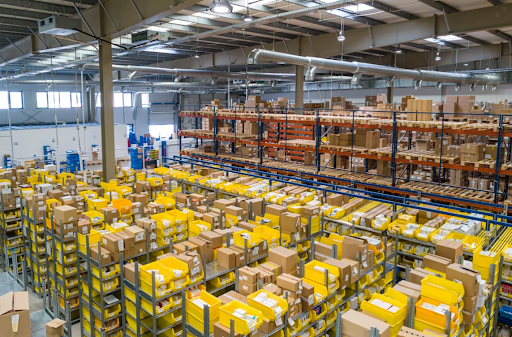

The best warehouse labor management software gives warehouse leaders more than employee productivity reports. It connects labor demand, workload, travel, task performance, and operational constraints so managers can decide where labor capacity should go next. For large distribution networks, that distinction matters.
The right platform can reduce unnecessary travel, improve picks per hour, stabilize throughput, and help operations teams test labor decisions before committing people, inventory, or capital.
In this blog, we cover the best warehouse labor management software, key features to compare, and how to choose the right platform for your warehouse operations.
Best Warehouse Labor Management Software: Top Solutions Compared
The strongest warehouse labor management software platforms combine labor planning, performance measurement, workload visibility, and integration with warehouse execution systems. However, they differ significantly in how they approach optimization, simulation, workforce scheduling, and multi-site operations.
Manhattan Associates
Manhattan Active Labor Management is designed for enterprises that want labor management closely connected with warehouse execution. It helps teams plan labor requirements, track workforce performance, and use operational data to understand how effectively labor is being utilized across warehouse activities.
- Best for: Enterprises using integrated warehouse execution.
- Standout capability: AI-enabled labor management within Manhattan Active WMS.
- Warehouse size: Enterprise.
- Key integrations: Manhattan Active ecosystem and other enterprise systems.
- Pricing approach: Custom enterprise pricing based on deployment, modules, integrations, and services.
Blue Yonder
Blue Yonder Warehouse Labor Management focuses on workforce planning, engineered labor standards, and employee performance. Warehouses can use it to establish performance expectations, measure actual work against those standards, and gain better visibility into labor utilization.
- Best for: Warehouses focused on engineered labor standards and workforce performance.
- Standout capability: Labor standards, workforce planning, performance reporting, and incentive management.
- Warehouse size: Mid-size to enterprise.
- Key integrations: Blue Yonder WMS and other supply chain applications.
- Pricing approach: Custom enterprise pricing based on the organization’s solution requirements.
Infor
Infor provides labor management capabilities within its broader warehouse management environment. It helps managers plan workforce requirements, monitor productivity, and compare actual performance with established labor standards while keeping labor data connected to warehouse execution.
- Best for: Organizations that want labor management within an established WMS environment.
- Standout capability: Labor planning, forecasting, standards, and productivity monitoring.
- Warehouse size: Mid-size to enterprise.
- Key integrations: Infor WMS and other Infor enterprise applications.
- Pricing approach: Custom enterprise pricing based on deployment and solution requirements.
Körber
Körber provides integrated resource and labor management capabilities within its broader warehouse management and automation ecosystem. Rather than operating as a standalone labor management platform, its WMS connects workforce utilization with warehouse execution, inventory processes, and automation.
- Best for: Workforce performance and resource utilization.
- Standout capability: Labor performance measurement and productivity analysis.
- Warehouse size: Mid-size to enterprise.
- Key integrations: Körber warehouse management solutions and supporting warehouse technologies.
- Pricing approach: Custom pricing based on the selected warehouse and labor management solution.
Oracle
Oracle connects workforce information with inventory, orders, fulfillment, and other supply chain processes. This gives larger organizations a way to coordinate labor planning with broader warehouse and enterprise operations rather than managing workforce data separately.
- Best for: Enterprise-level workforce and supply chain planning.
- Standout capability: Connecting workforce data with broader inventory and fulfillment operations.
- Warehouse size: Enterprise.
- Key integrations: Oracle warehouse, supply chain, ERP, and workforce applications.
- Pricing approach: Pricing varies based on the Oracle applications, deployment, and services selected.
Synkrato
Synkrato takes a broader operational approach by connecting labor decisions with warehouse conditions such as inventory placement, travel, congestion, throughput, and capacity. Teams can use its Digital Twin and simulation capabilities to model operational changes before implementing them, while AI Slotting Recommendations can help identify opportunities to reduce unnecessary travel and improve inventory placement.
- Best for: AI-driven warehouse optimization and scenario testing.
- Standout capability: Digital twin, simulation, AI slotting, and labor optimization.
- Warehouse size: Mid-size to enterprise.
- Key integrations: Existing WMS, ERP, automation, robotics, and warehouse data sources.
- Pricing approach: Custom enterprise pricing. Contact Synkrato or book a demo for a quote.
Key Features to Look for in Warehouse Labor Management Software
The best warehouse workforce management software should show where labor capacity is being used, explain productivity changes, and help managers make decisions before service levels are affected.
Labor Demand Forecasting and Capacity Planning
Effective warehouse labor planning software should translate expected workload into required labor by shift, zone, function, and skill. Managers should be able to compare expected workload, required hours, available capacity, and actual performance. Useful metrics include labor cost per order, picks per hour, planned versus actual hours, overtime exposure, zone utilization, and fulfillment SLA risk.
Task-Level Productivity Measurement
Good warehouse productivity software measures performance in context rather than relying only on units per hour. Travel distance, SKU location, equipment, congestion, and task complexity can all affect productivity. Research published in 2023 notes that manual order picking represents approximately 60% of warehouse work. In its case application, optimized batching and routing reduced picking time by 57% compared with a single-order strategy.
Travel, Slotting, and Congestion Intelligence
Travel can consume a significant share of warehouse labor. A 2022 study found that picker-to-parts order picking can account for 55% to 75% of warehouse activity-based costs, with travel representing roughly 50% of total picking time. The better labor management software for warehouses should therefore identify inefficient travel, poor pick paths, congestion, and workload imbalances.
Scenario Simulation
Labor changes can affect more than workforce capacity. Adding associates to a busy zone may improve output but also increase congestion, equipment contention, or downstream queues. Simulation allows warehouse leaders to test these effects before making changes to live operations.
McKinsey reported in 2024 that AI-powered warehouse tools could unlock an additional 7% to 15% of network capacity. It also cited a logistics provider that increased warehouse capacity by nearly 10% using an AI and machine-learning digital twin.
WMS and Operational Integration
A warehouse labor management system should connect labor planning with WMS, ERP, inventory, automation, workforce, and operational performance data. This helps forecasts respond to changing workload rather than relying on disconnected or outdated information.
Integration is increasingly important as automation expands. McKinsey reported in 2024 that about 20% of North American warehouses had adopted some form of automation, while 70% of 65 surveyed logistics and supply chain executives planned to invest approximately $100 million in automation over five years.
Network-Level Workforce Visibility
For multi-site operations, warehouse workforce optimization software should provide consistent labor and productivity visibility across facilities. Teams should be able to compare metrics such as labor cost per order, picks per hour, overtime, throughput per labor hour, SLA adherence, and utilization while accounting for differences between sites.
How to Choose the Best Warehouse Labor Management Software
Choose warehouse employee management software by identifying the operational decision you need to improve first, then evaluate whether each platform has the data, modeling capability, integration architecture, and governance controls required to make that decision reliably at scale. Do not start with the longest feature list.
- Establish the Labor Economics Baseline
Measure current labor cost per order, overtime, picks per hour, indirect time, travel, throughput, utilization, and SLA performance. Then quantify the gap. If reducing travel by 15% creates more financial value than improving scheduling accuracy by 3%, the technology evaluation should reflect that difference.
- Find the Constraint Behind the Labor Problem
Low productivity may be caused by poor staffing. It may also come from slotting, layout, replenishment timing, order batching, automation downtime, or congestion. This distinction prevents an expensive mistake: buying labor-monitoring technology for a process-design problem. For example, a warehouse running 12% below its picking target may not need tighter employee standards if associates are spending excessive time crossing zones.
- Test the Platform Against Operational Volatility
A platform that performs well on an average Tuesday may fail during peak season. Evaluate how the system handles demand spikes, SKU churn, new customers, temporary workers, shift changes, multi-zone congestion, automation changes, and network expansion. Static labor rules lose value when the operating environment changes faster than the standards.
- Evaluate Decision Latency
Ask how long it takes to move from an operational signal to an executable decision.
- Can supervisors rebalance work during the shift?
- Can planners model tomorrow’s labor requirement?
- Can leaders evaluate a new layout without waiting weeks for manual analysis?
- Examine Integration and Scaling Risk
A pilot can hide architectural problems. Before selecting any warehouse labor management system, determine how it will ingest WMS data, handle multiple sites, connect to automation, maintain standards, govern employee data, and support new facilities. Also determine who owns the optimization loop after implementation. Software should reduce decision latency. It should not create another analytics queue.
Turn Labor Data Into Better Warehouse Decisions With Synkrato
Labor optimization should tell you more than who completed the most tasks. Synkrato’s Enterprise Labeling, Digital Twin, AI-driven optimization capabilities, and broader Warehouse Operating System give operations teams a connected environment for evaluating labor, inventory flow, slotting, and execution decisions across the warehouse.
See how operational changes could affect travel, throughput, capacity, and labor before putting live operations at risk. Book a demo with Synkrato to optimize warehouse labor and improve operational performance.
FAQs
What is the best warehouse labor management software?
The best warehouse labor management software depends on the processes you want to improve in your workflow. Synkrato Digital Twin is suited to operations requiring simulation and warehouse optimization, while Manhattan, Blue Yonder, and Infor provide strong labor capabilities tied closely to their broader warehouse execution ecosystems.
How do I choose warehouse labor management software?
Start with measurable constraints such as labor cost per order, travel distance, picks per hour, overtime, or throughput instability. Then compare integration, forecasting, simulation, and scaling capabilities. Synkrato Enterprise Mobility can complement this architecture when operations need connected mobile workflows alongside broader warehouse decision intelligence.
Can warehouse labor management software reduce labor costs?
Yes, when it addresses the actual cause of wasted labor. Savings can come from lower travel, better workload allocation, reduced overtime, improved scheduling, or higher throughput per labor hour. Synkrato AI Slotting Recommendations, for example, target inventory placement that can influence picker travel and labor utilization.
What is the difference between WMS and labor management software?
A WMS primarily controls inventory and warehouse execution, including receiving, putaway, picking, and shipping. Labor management measures and plans workforce capacity and performance around that work. Synkrato AI Agents add another layer by helping teams interrogate warehouse data and accelerate operational analysis and decision-making.
Can warehouse labor management software integrate with an existing WMS?
Yes. Many warehouse labor platforms are designed to consume task, inventory, order, and employee data from an existing WMS. Integration quality matters because incomplete data can distort labor standards and forecasts. Confirm API availability, data latency, task granularity, security requirements, and multi-site support before implementation.