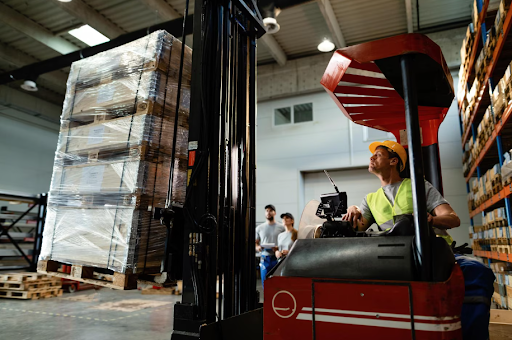

Effective warehouse management is what turns a busy storage space into a high-performance fulfillment engine. When inventory flows smoothly, processes are aligned, and visibility is strong, everything from order accuracy to delivery speed improves dramatically. Without it, even the most advanced supply chains can quickly fall into chaos.
In this blog, we explore 10 warehouse management best practices designed to elevate efficiency and enable boundaryless fulfillment. It focuses on scalable strategies, system-level optimization, and data-driven execution to support high-performance, boundaryless operations.
1. Optimize Your Warehouse Layout
Optimizing layout is a foundational element of warehouse management best practices, directly influencing travel time, labor productivity, and order throughput. In boundaryless fulfillment environments, static layouts fail to support fluctuating demand patterns and multi-channel flows.
Advanced operations rely on data-driven design, continuously adapting slotting, pick paths, and storage zones based on SKU velocity, order profiles, and real-time demand signals.
Key Strategies for Layout Optimization
- Analyze movement and order patterns: Use heatmaps and WMS data to identify high-traffic zones, bottlenecks, and inefficient travel paths.
- Implement ABC classification: Position high-velocity (A) SKUs in forward pick areas, while slower-moving items are stored in reserve zones.
- Maximize vertical space utilization: Deploy high-bay racking, mezzanines, and AS/RS systems to increase storage density without expanding footprint.
- Design for optimal pick paths: Configure layouts to support zone picking, batch picking, or wave picking strategies based on order volume.
- Enable flexible slotting: Use dynamic slotting to adjust locations based on seasonality and demand variability.
Warehouse layout types also play a strategic role. Warehouse workers spend up to 50% of their time traveling between pick locations, making layout optimization critical for improving efficiency and reducing unnecessary movement.
Key layout types include:
- U-Shaped Layout: Inbound and outbound docks are positioned on the same side, enabling better supervision, reduced travel distance, and efficient cross-docking in high-control environments.
- L-Shaped Layout: Receiving and shipping areas are placed on adjacent sides, helping separate workflows, reduce congestion, and improve traffic flow between inbound and outbound operations.
- I-Shaped Layout: A linear design with receiving at one end and shipping at the other, ideal for high-volume operations requiring streamlined, sequential material flow with minimal cross-traffic.
Layout decisions become significantly more precise when tested in a live digital environment. With Synkrato’s digital twin and simulation capabilities, warehouses can test layout changes, evaluate travel paths, and optimize slotting strategies before implementing them physically.
2. Prioritize Employee Safety
Employee safety is foundational to a well-run warehouse, ensuring that operations remain consistent, efficient, and free from preventable disruptions. A strong safety culture reduces downtime, lowers injury-related costs, and helps maintain workforce confidence in fast-paced environments. When safety is prioritized at every step, it naturally strengthens overall operational performance.
Key Safety Pillars
- Proactive Risk Identification: Use IoT sensors, video analytics, and data insights to detect hazards early and prevent incidents before they occur.
- Ergonomic Work Design: Optimize picking, packing, and material handling processes to reduce physical strain and minimize repetitive stress injuries.
- Technology-Enabled Safety Monitoring: Deploy wearables and AI systems to track worker movement, ensure compliance, and trigger alerts in unsafe conditions.
- Safety-Integrated Workflows: Embed safety checks directly into WMS and operational processes to ensure compliance without slowing down execution.
- Continuous Training and Awareness: Provide ongoing, role-specific training programs supported by digital tools to reinforce safe practices across all shifts.
Synkrato’s AI-driven insights and mobility capabilities enable real-time monitoring of worker movement, helping identify risks early and continuously improve safety conditions across warehouse operations.
Suggested Read: What is Warehouse Optimization
3. Implement Effective Inventory Zoning
Effective inventory zoning begins with dividing the warehouse into clearly defined functional areas that support smooth material flow from receiving to dispatch. Typical key zones of a warehouse include:
- Receiving
- Storage
- Picking
- Packing
- Staging
- Shipping
Each zone is designed to streamline specific operational tasks and reduce congestion. When these zones are properly structured, they create a logical movement path that improves speed, accuracy, and overall warehouse efficiency
Common Zoning Models
Inventory zoning can be implemented using different structured models depending on operational requirements and product behavior.
ABC Zoning (Velocity-Based)
This model organizes inventory based on how frequently items are picked, ensuring high-demand products are stored in the most accessible locations while slower-moving stock is placed farther away.
- A-items: High turnover, placed in most accessible locations.
- B-items: Moderate turnover, stored in mid-access zones.
- C-items: Low turnover, stored in remote or upper-level racks.
Product Category-Based Zoning
In this approach, items are grouped according to product type, brand, or category. It is commonly used in warehouses handling diverse product portfolios, as it simplifies location logic and reduces picking errors. However, it may require additional optimization for high-velocity items within each category.
Size and Handling-Based Zoning
This model organizes inventory based on physical attributes such as weight, fragility, or storage requirements. Heavy or bulky items are placed in ground-level or reinforced storage zones, while fragile or high-value items are assigned to controlled or restricted-access areas. This ensures safer handling and reduces damage risk.
Temperature-Controlled Zoning
For warehouses dealing with perishable or sensitive goods, zoning is defined by environmental conditions such as refrigerated, frozen, or ambient storage areas. This ensures compliance with storage regulations and preserves product integrity throughout the storage cycle.
With AI-powered slotting recommendations and simulation, Synkrato enables dynamic zoning adjustments based on real-time demand, improving accessibility, reducing travel time, and enhancing picking efficiency.
Suggested Read: How to Optimize Warehouse Operations
4. Maintain Accurate Inventory Control
Inventory accuracy is fundamental to warehouse efficiency for boundaryless fulfillment. Even small discrepancies between system records and physical stock can lead to stockouts, overstocking, and fulfillment delays.
Key Control Mechanisms
- Cycle Counting Instead of Periodic Stock Takes: Cycle counting replaces disruptive full inventory counts with continuous, targeted audits based on SKU velocity and risk. This ensures higher accuracy while maintaining operational flow without downtime.
- Real-Time Inventory Tracking Systems: Advanced tracking systems using RFID, barcodes, and IoT sensors provide instant updates on inventory movement. This enables synchronized data across WMS, OMS, and ERP systems for accurate decision-making.
- Standardized Receiving Procedures: Consistent inbound processes, including ASN validation and barcode scanning, reduce errors at the point of entry. This ensures inventory is accurately recorded before entering active storage or picking zones.
- Error-Proofing Mechanisms: Technologies such as barcode validation, pick-to-light systems, and system-enforced workflows minimize human errors. These controls ensure accuracy at every touchpoint, from receiving to order fulfillment.
Suggested Read: How to Improve Warehouse Efficiency
These best practices for warehouse management systems ensure synchronization between WMS, OMS, and ERP platforms. Synkrato’s decision intelligence layer synchronizes data across these systems, ensuring real-time inventory visibility, reducing discrepancies, and improving overall control accuracy.
5. Track Warehouse Performance and Productivity
Without measurable performance indicators, warehouse operations tend to rely on assumptions rather than data-driven decisions. Tracking key performance indicators enables managers to identify inefficiencies, benchmark productivity, and continuously optimize operations.
Key Warehouse KPIs
- Order Picking Accuracy: Measures the percentage of orders picked without errors. High accuracy reduces returns, improves customer satisfaction, and minimizes rework costs in fulfillment operations. Order picking accounts for approximately 50–55% of total warehouse operating costs, making it the most resource-intensive activity.
- Order Cycle Time: Tracks the total time from order receipt to shipment. Shorter cycle times indicate efficient workflows and are critical for meeting same-day or next-day delivery expectations.
- Dock-to-Stock Time: Measures how quickly inventory is received, processed, and made available for picking. Faster dock-to-stock times improve inventory availability and overall warehouse responsiveness.
- Labor Productivity: Evaluates output per labor hour, such as picks per hour or units processed. This KPI helps optimize workforce planning and supports warehouse labor management best practices.
- Inventory Turnover Ratio: Indicates how frequently inventory is sold and replenished over a period. Higher turnover reflects efficient inventory utilization and reduced holding costs.
Suggested Read: Warehouse Organization Ideas
Implementation Approach
- Deploy Real-Time Dashboards: Use integrated dashboards within WMS or analytics platforms to monitor KPIs continuously and identify performance gaps instantly.
- Leverage Predictive Analytics: Apply AI/ML models to forecast demand, detect anomalies, and proactively address bottlenecks before they impact operations.
- Standardize KPI Definitions: Ensure consistent measurement across facilities to enable accurate benchmarking and performance comparisons.
- Integrate Systems for Data Accuracy: Connect WMS, OMS, and ERP systems to create a single source of truth for operational data and reporting.
- Enable Continuous Feedback Loops: Use KPI insights to drive ongoing process improvements, aligning with warehouse process optimization best practices.
Synkrato’s AI agents and analytics continuously evaluate warehouse data, transforming performance insights into actionable decisions that improve productivity, reduce inefficiencies, and enhance operational responsiveness.
6. Improve Workforce Management and Training
Effective workforce management is a critical component of warehouse management, directly impacting productivity, accuracy, and operational scalability. Advanced warehouses align labor strategies with real-time demand while continuously upskilling employees to handle complex, technology-driven environments.
Workforce Optimization Strategies
- Skill-Based Task Allocation
Assign tasks based on worker skills, certifications, and performance data to maximize efficiency. This ensures complex tasks are handled by experienced personnel while improving overall throughput.
- Dynamic Labor Planning
Use demand forecasting and real-time data to adjust workforce levels across shifts. This minimizes overstaffing or understaffing while supporting peak and seasonal demand fluctuations.
- Standard Operating Procedures (SOPs)
Implement standardized, system-driven workflows to ensure consistency across tasks and shifts. SOPs reduce variability, improve accuracy, and support faster onboarding of new employees.
Suggested Read: Warehouse Management Challenges
Training Framework
- Onboarding Programs: Structured onboarding ensures new hires quickly understand systems, processes, and safety protocols. This reduces ramp-up time and improves early-stage productivity.
- Continuous Skill Development: Provide ongoing training through digital modules and on-the-job learning to keep employees updated with new technologies and process changes.
- Performance Feedback Loops: Use real-time performance data to provide regular feedback and coaching. This helps identify skill gaps, improve accountability, and drive continuous improvement.
A well-trained workforce improves picking accuracy, reduces equipment damage, and increases overall operational consistency.
7. Introduce Automation and Technology
Automation is central to scaling boundaryless fulfillment, particularly in high-volume or fast-moving environments. While full warehouse automation may not be feasible for all operations, incremental technology adoption can significantly improve productivity.
Core Warehouse Technologies
- Warehouse Management Systems (WMS): Central platforms that orchestrate inventory, order processing, and workflows, enabling real-time visibility and execution across warehouse operations.
- Barcode and RFID Systems: Technologies that ensure accurate, real-time tracking of inventory movement, reducing manual errors and improving traceability across the supply chain.
- Automated Storage and Retrieval Systems (AS/RS): High-density storage solutions that automate putaway and retrieval processes, improving space utilization and reducing labor dependency.
- Digital Twin: Virtual replicas of warehouse operations that simulate real-world scenarios, enabling data-driven optimization and risk-free testing of process changes.
- Simulation: Advanced modeling tools used to evaluate different operational strategies, layouts, and workflows before implementation, reducing risk and improving outcomes.
- Artificial Intelligence (AI): AI-driven systems optimize demand forecasting, labor allocation, and decision-making through predictive analytics and real-time insights.
Automation enhances speed, accuracy, and scalability while reducing operational costs and human error. Synkrato connects AI, simulation, and digital twin capabilities into a unified execution layer, enabling warehouses to orchestrate technologies effectively and continuously optimize operations at scale.
Suggested Read: Warehouse Space Optimization
8. Streamline Receiving and Putaway Processes
Receiving and putaway are foundational warehouse processes that directly influence downstream efficiency. Delays or inaccuracies at this stage propagate throughout the entire supply chain. Inefficiencies in receiving and putaway processes can significantly slow operations, while optimized and automated workflows can improve processing speed by up to 30%.
Receiving Optimization
- Advance Shipment Visibility (ASN Integration): Leverage ASN data to pre-validate shipments, allocate dock doors, and prepare resources before arrival, reducing unloading delays.
- Dock Scheduling and Yard Management: Use appointment scheduling systems to balance inbound flow, minimize congestion, and improve dock utilization.
- Automated Data Capture: Implement barcode or RFID scanning at receiving to ensure real-time inventory updates and eliminate manual entry errors.
- Exception Handling Workflows: Enable system-driven workflows to quickly identify and resolve discrepancies such as damaged goods or quantity mismatches.
Putaway Optimization
- Directed Putaway: Use WMS-driven rules to assign optimal storage locations based on SKU velocity, size, and zoning, ensuring efficient space utilization and faster retrieval.
- Batch Putaway: Group similar putaway tasks to reduce travel time and improve labor efficiency, especially in high-volume inbound environments.
- Slotting Optimization: Continuously adjust storage locations based on demand patterns and order frequency to minimize picking time and improve overall flow.
9. Optimize Returns Management
Returns management (reverse logistics) is often one of the most overlooked yet cost-intensive parts of warehouse operations. Inefficient handling of returns can lead to inventory distortion, increased holding costs, and reduced asset recovery value.
Key Strategies for Returns Optimization
- Dedicated Reverse Logistics Zones: Establish separate zones for returns processing to avoid interference with forward picking and packing operations, reducing congestion and improving throughput.
- Automated Inspection and Disposition: Use standardized workflows and AI-enabled inspection tools to quickly classify items as restock, refurbish, or discard, minimizing manual decision-making delays.
- Faster Inventory Reintegration: Enable real-time system updates to ensure sellable returned items are quickly made available for order fulfillment, improving inventory utilization.
- Refurbishment and Value Recovery: Integrate repair, repackaging, or resale processes to recover maximum value from returned goods, especially for high-value SKUs.
- Returns Data Analytics: Analyze return reasons and patterns to identify product or process issues, enabling upstream improvements in quality and fulfillment accuracy.
Efficient returns management reduces inventory write-offs, improves the recovery rate of returned goods, and ensures cleaner demand forecasting by accurately capturing return patterns.
Suggested Read: Warehouse Slotting Optimization
10. Focus on Continuous Improvement
Warehouse operations cannot remain static due to evolving demand patterns, technology advancements, and supply chain disruptions. Continuous improvement ensures long-term efficiency and adaptability.
Continuous Improvement Frameworks
- Lean Warehousing Principles: Focus on eliminating waste across processes such as excess movement, waiting time, and overprocessing. This improves flow efficiency and reduces operational costs.
- Kaizen (Incremental Improvement): Encourage small, continuous improvements driven by frontline employees. This builds a culture of accountability and ensures ongoing optimization at the process level.
- Six Sigma Approach: Use data-driven methodologies to reduce process variability and defects. This improves accuracy, consistency, and overall operational reliability.
Feedback and Monitoring Systems
- Real-Time Performance Monitoring: Use dashboards and analytics tools to track KPIs continuously, enabling faster identification of inefficiencies and corrective actions.
- Closed-Loop Feedback Mechanisms: Capture insights from operations, returns, and customer feedback to drive process improvements and prevent recurring issues.
- Root Cause Analysis: Apply structured analysis techniques to identify underlying issues rather than addressing surface-level symptoms, ensuring sustainable improvements.
- Continuous Benchmarking: Compare performance across facilities and industry standards to identify gaps and drive best-in-class execution.
Synkrato combines digital twin modeling, AI, and simulation to continuously evaluate warehouse performance, identify opportunities for improvement, and enable ongoing optimization aligned with evolving operational demands.
Suggested Read: Warehouse Picking Optimization
Take Your Warehouse to the Next Level with Synkrato
Achieving boundaryless fulfillment requires more than adopting isolated warehouse management best practices; it demands a unified, intelligent execution layer. Synkrato enables enterprises to operate with a decision-intelligence layer that sits between execution and analytics, continuously evaluating what decisions should be made before they are executed.
It leverages AI, digital twins, and simulation to assess trade-offs across labor, inventory, and workflows in real time, ensuring every operational decision is optimized for performance and scalability.
How Synkrato Drives Smarter Warehouse Execution
- End-to-End Decision Intelligence: Transforms data from WMS, OMS, and ERP systems into actionable insights for faster, more accurate decision-making.
- Digital Twin for Real-Time Visibility: Creates a live virtual model of warehouse operations to monitor, analyze, and optimize performance continuously.
- AI-Powered Simulation: Runs multiple operational scenarios to identify the most efficient strategies before execution, reducing risk and cost.
- Dynamic Optimization Across Operations: Continuously improves labor allocation, slotting, and workflows based on real-time data and changing demand patterns.
- Seamless Integration Without Replacement: Works with existing infrastructure, eliminating the need for costly system overhauls while enabling advanced capabilities.
Ready to move beyond static execution and unlock real-time optimization? Book a Demo with Synkrato and transform your warehouse into an intelligent, high-performance fulfillment engine.
FAQs
Why are best practices important in warehouse management?
Warehouse management best practices ensure consistency, scalability, and efficiency across operations. They reduce variability, improve accuracy, and enable warehouses to meet complex fulfillment demands in distributed networks.
Can Synkrato improve warehouse performance and productivity?
Yes, Synkrato is designed to enhance warehouse performance by streamlining processes, improving visibility, and reducing manual effort. Its solutions help optimize workflows, track performance metrics, and enable data-driven decision-making. This leads to higher accuracy, faster operations, and better resource utilization.
How does Synkrato help implement warehouse management best practices?
Synkrato supports best practices through automation, intelligent workflows, and real-time data insights. It helps implement structured processes through simulation, digital twin modeling, AI-slotting, performance tracking, and safety integration. By digitizing operations, it ensures consistency and scalability across warehouse functions.
Does Synkrato integrate with existing warehouse systems?
Yes, Synkrato is designed for seamless integration with existing WMS, OMS, and ERP platforms through APIs, enabling organizations to enhance capabilities without replacing core systems.
What are the key areas of warehouse management best practices?
Key areas of warehouse management best practices include layout optimization, inventory control, labor management, automation, inbound/outbound processes, and continuous improvement. These collectively support warehouse process optimization best practices for boundaryless fulfillment.